Kateryna Lysovenko Vulnerability as manifesto
exhibition design:
Tomasz Świetlik
\
curator: Oleksandra Pogrebnyak
Tomasz Świetlik
\
curator: Oleksandra Pogrebnyak
client: TBA gallery
19.10 – 03.11.2024
Nowe Miejsce, Poland, Warsaw, Al. Jerozolimskie 51/2
19.10 – 03.11.2024
Nowe Miejsce, Poland, Warsaw, Al. Jerozolimskie 51/2
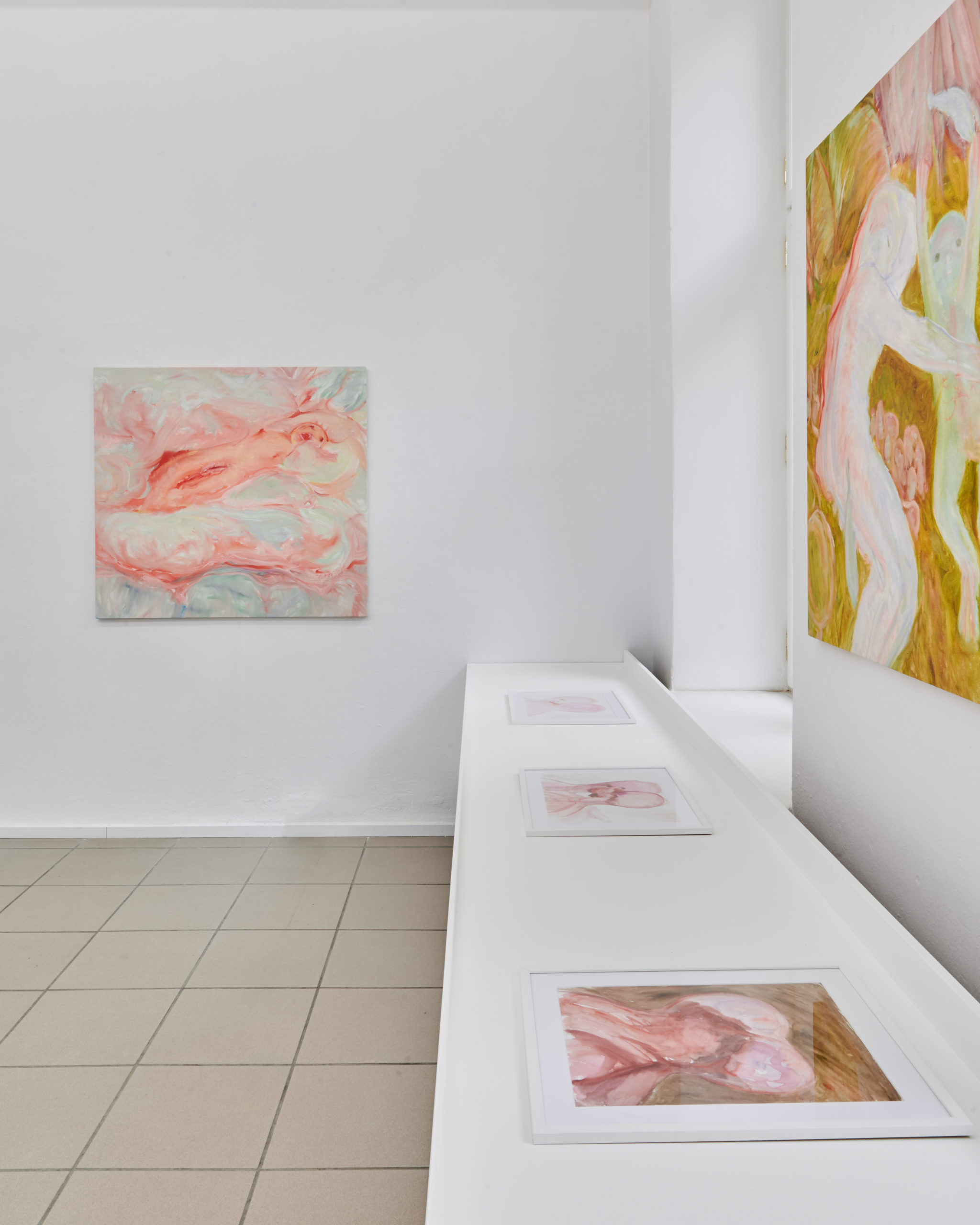
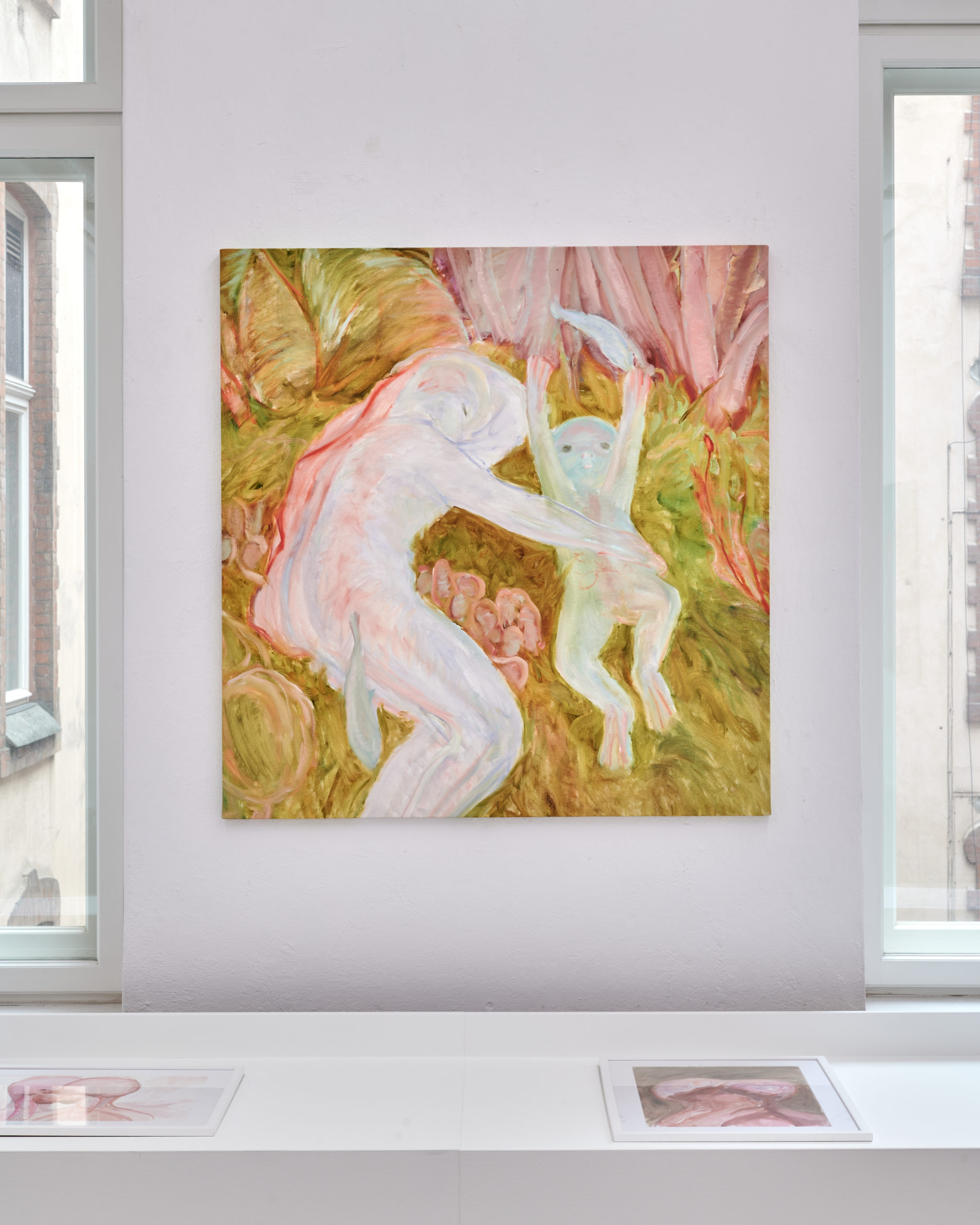
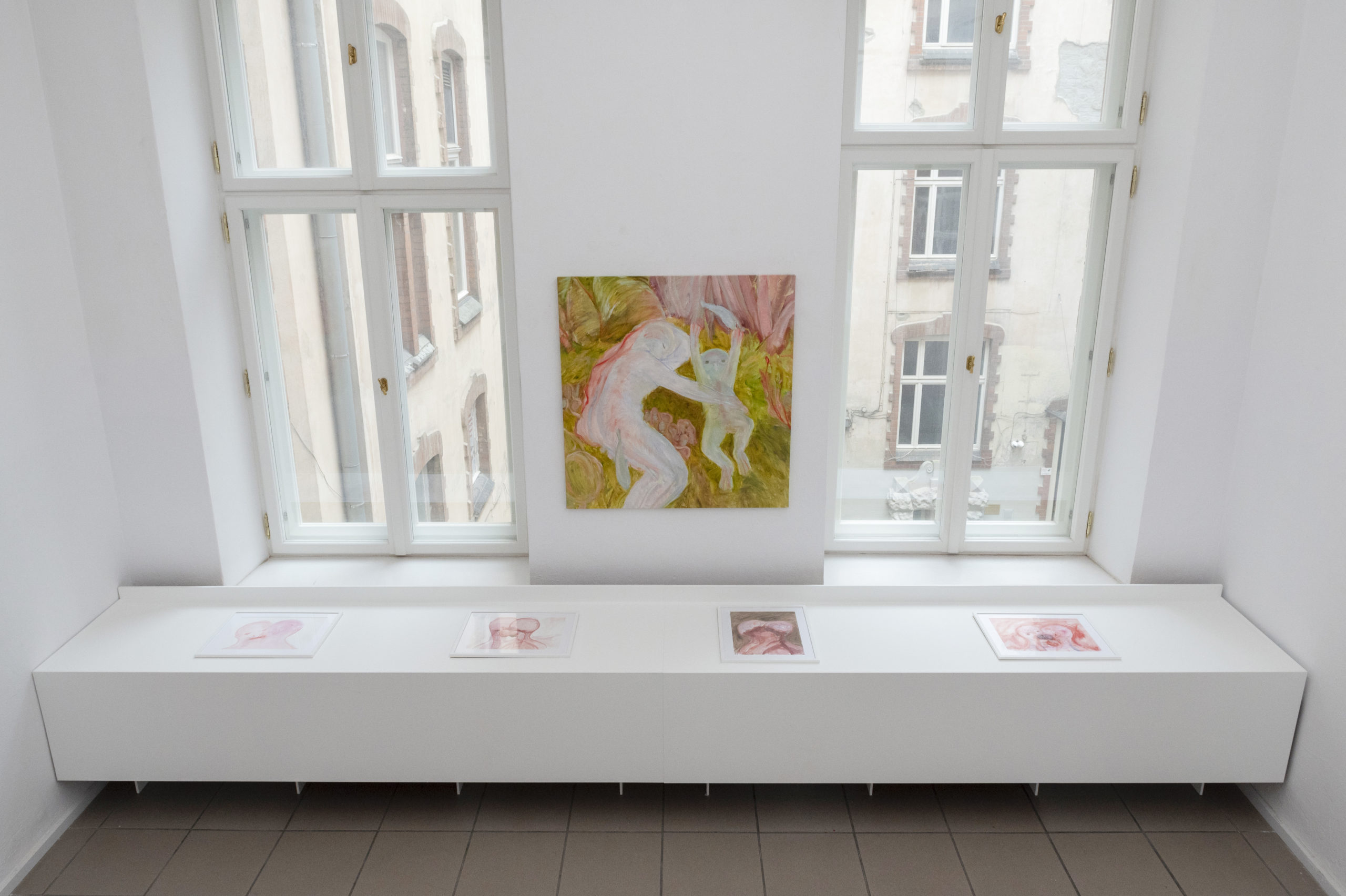
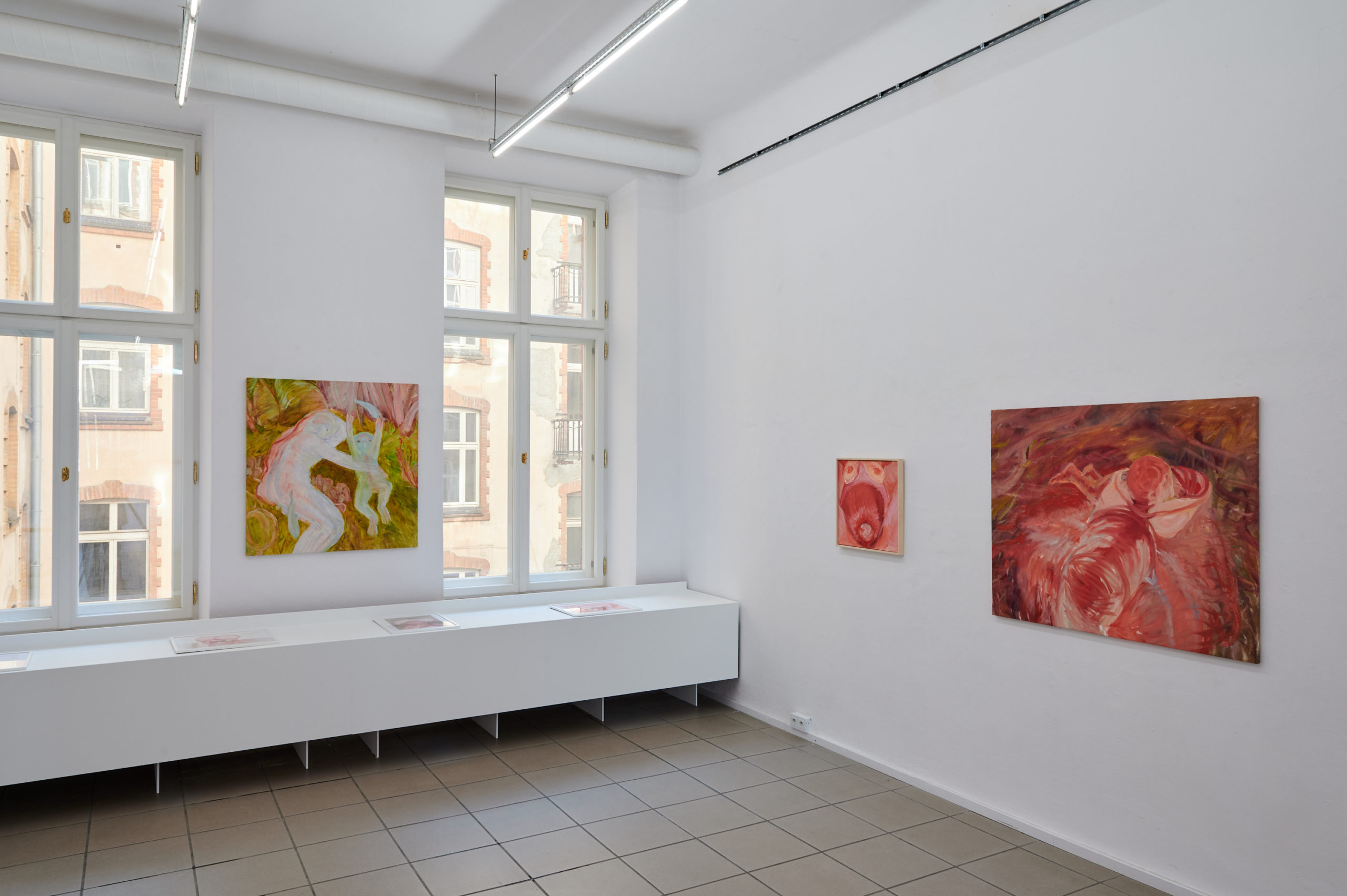
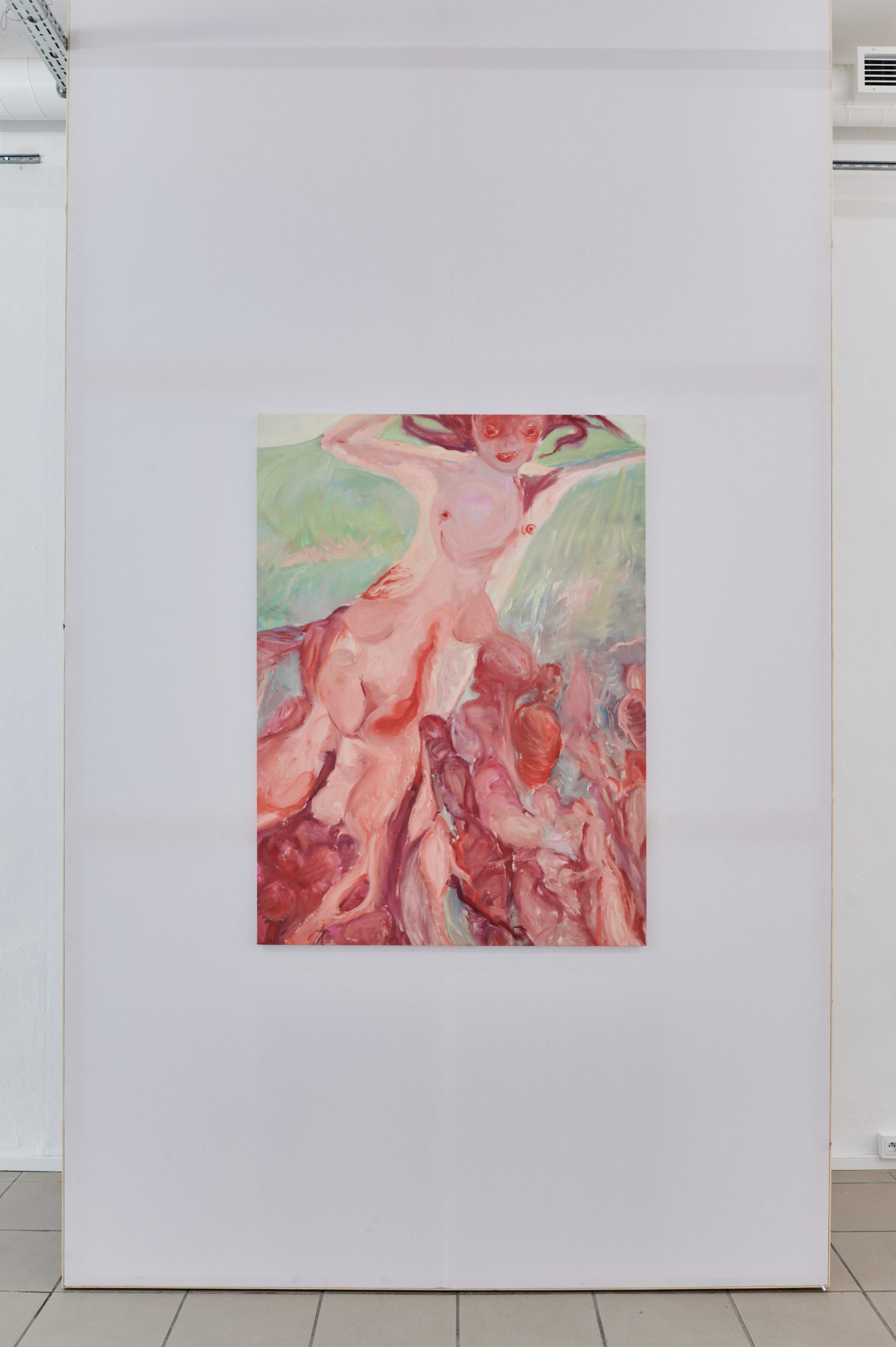
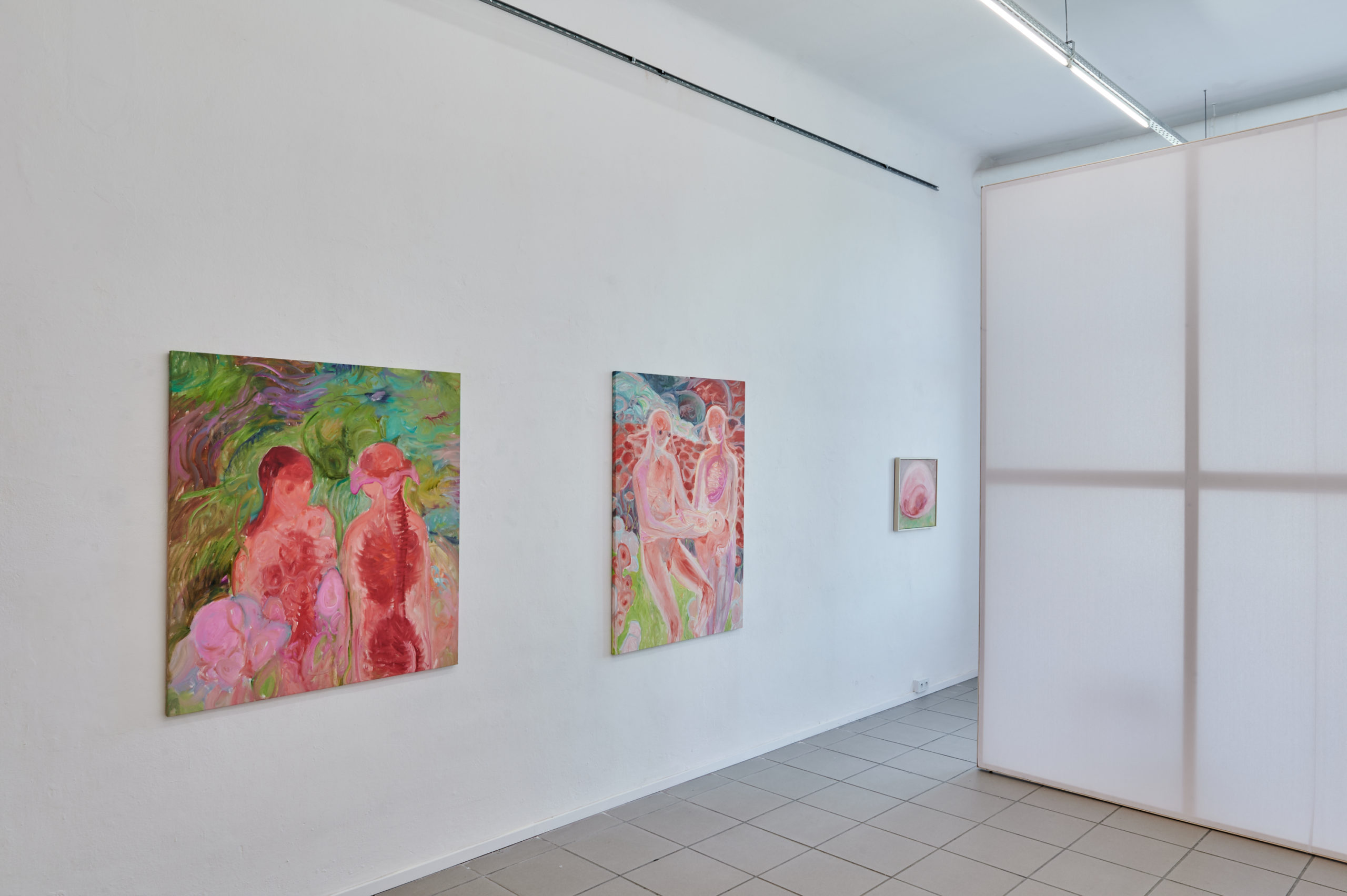
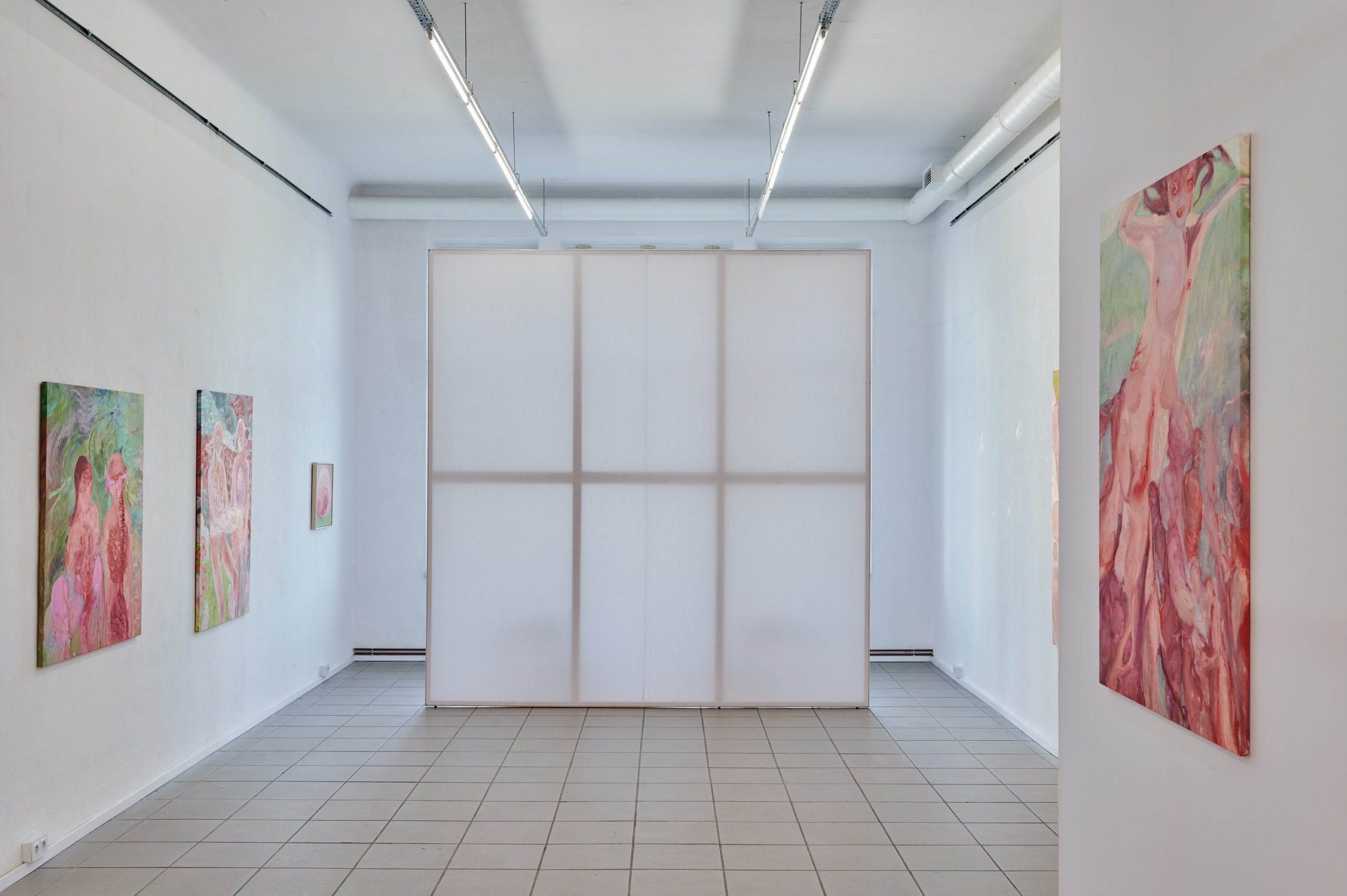
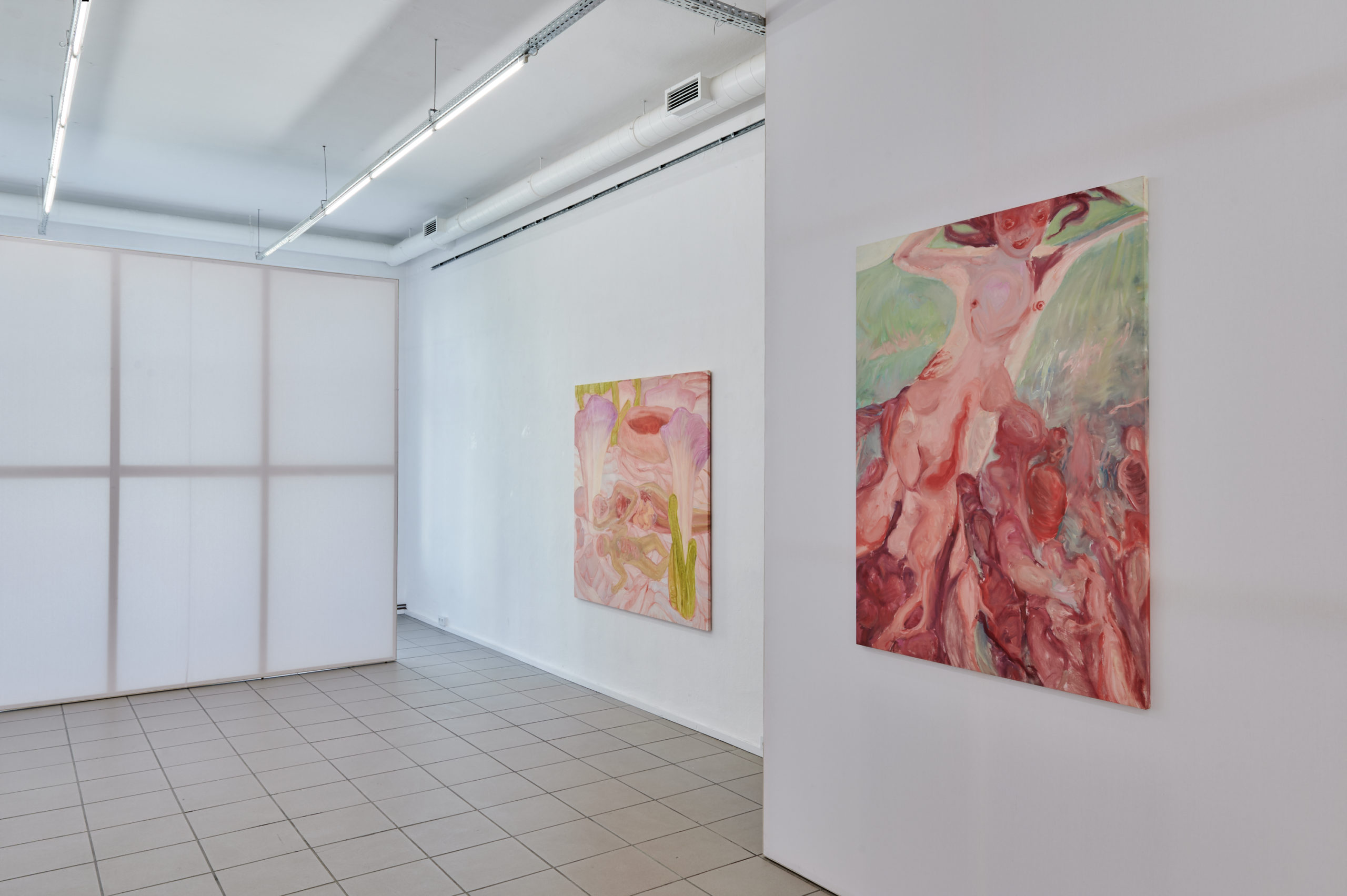
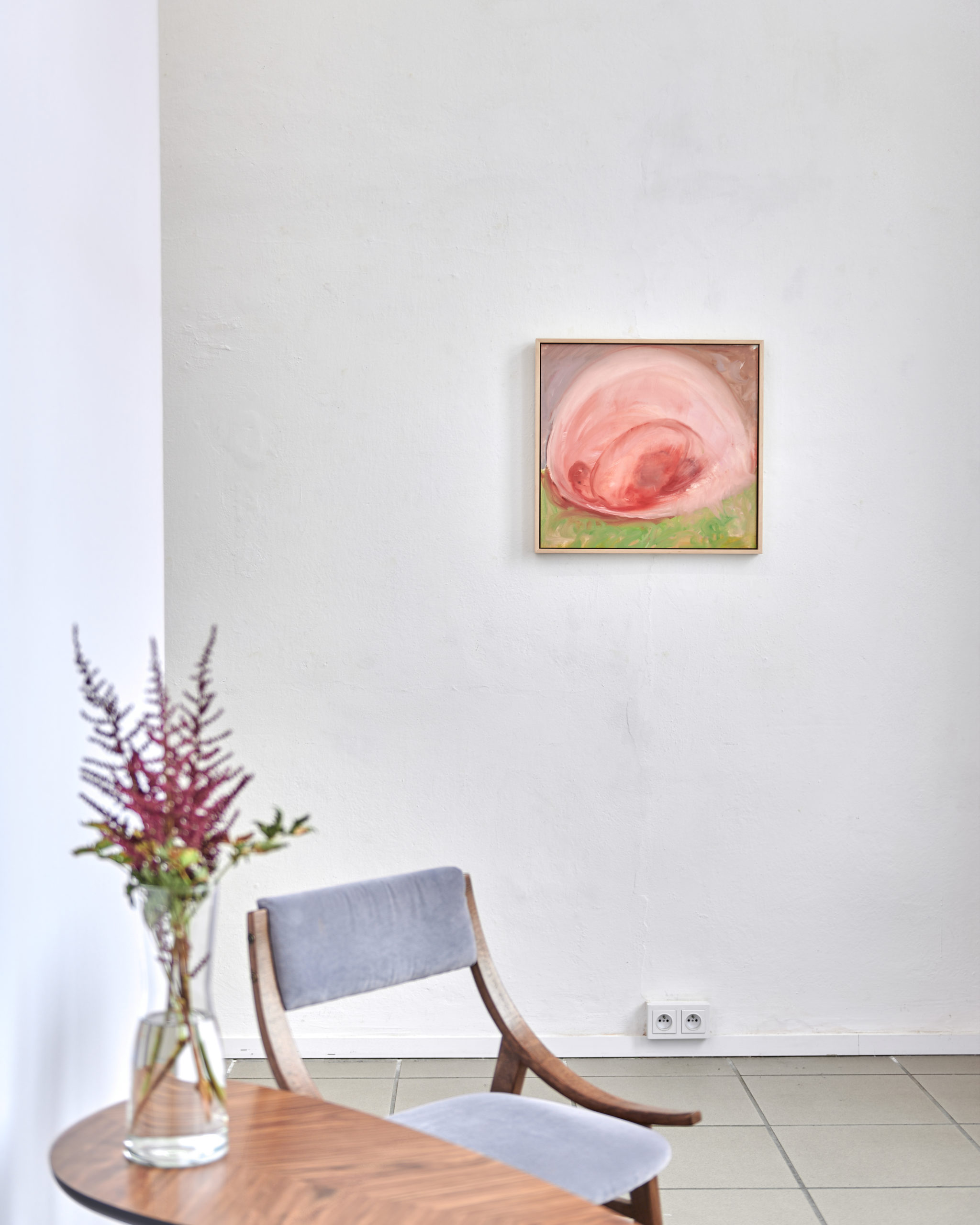
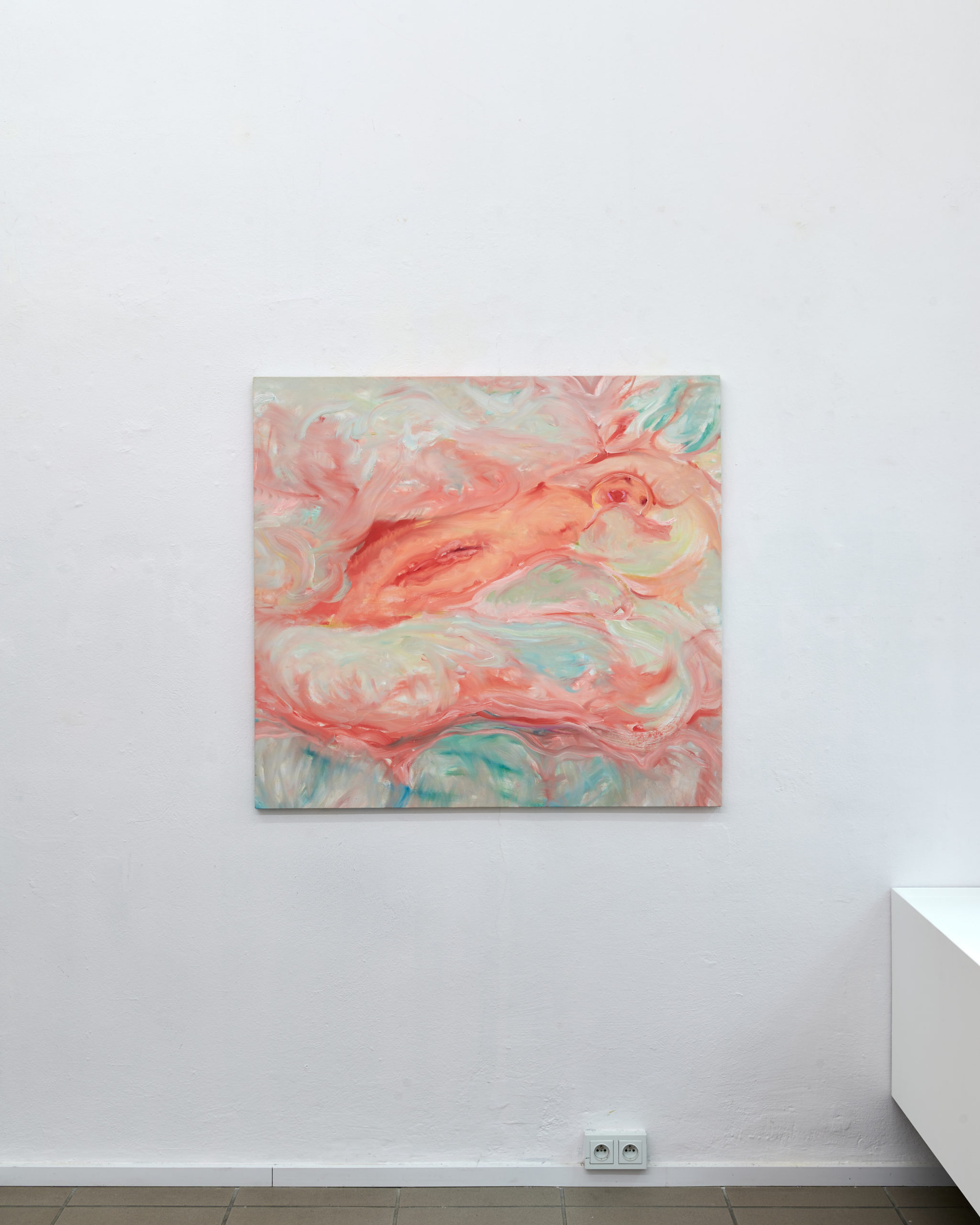
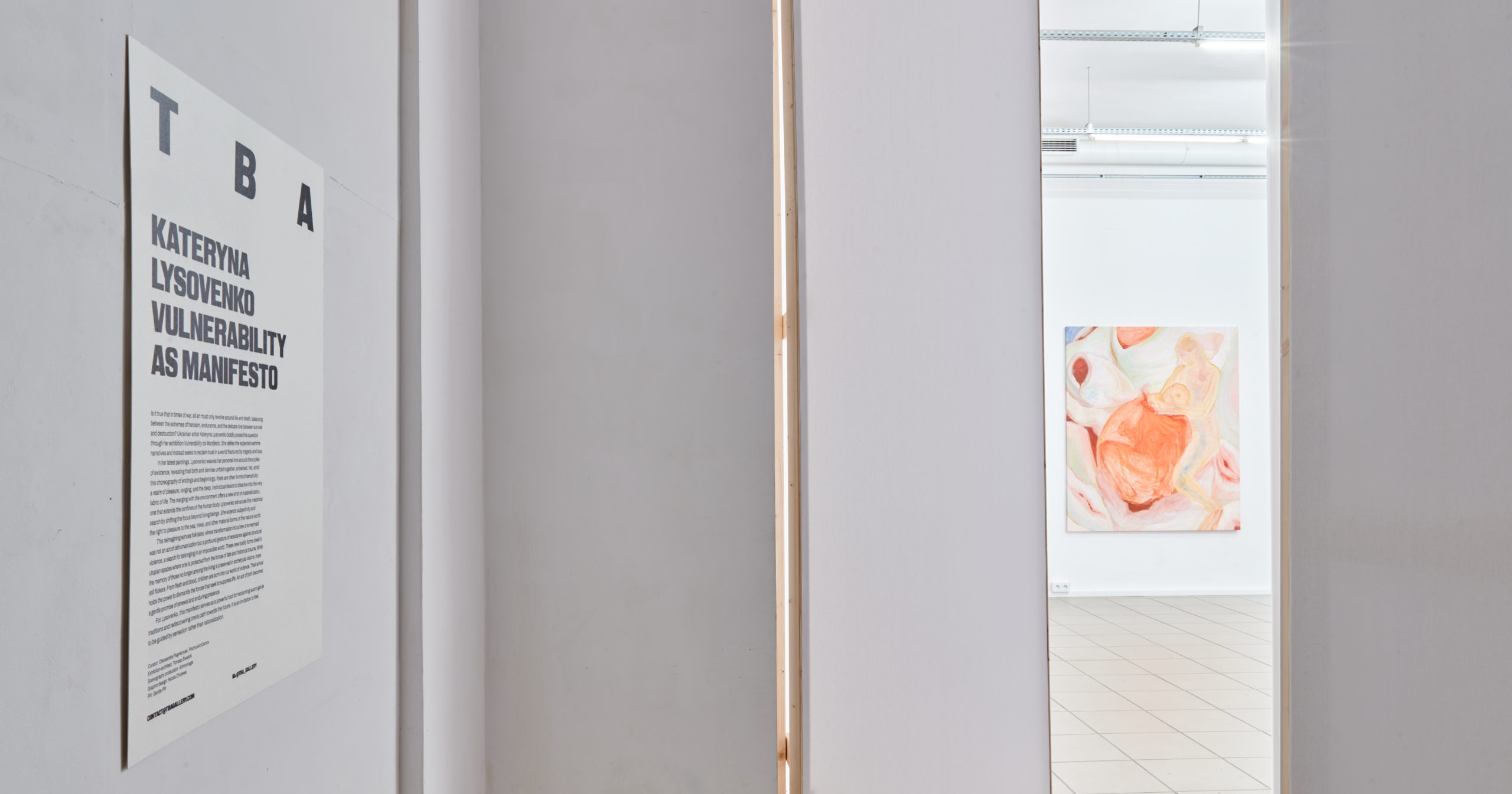
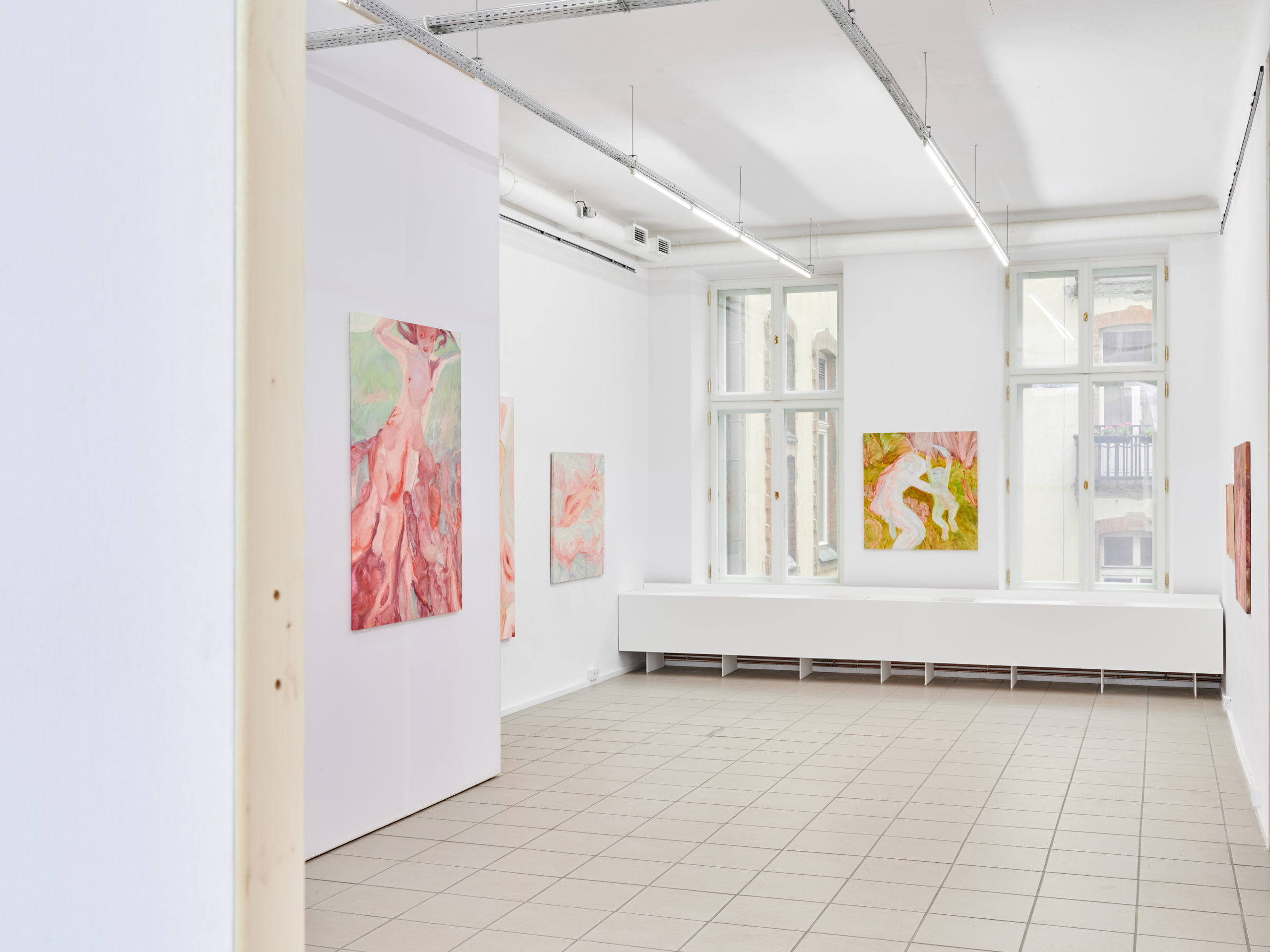
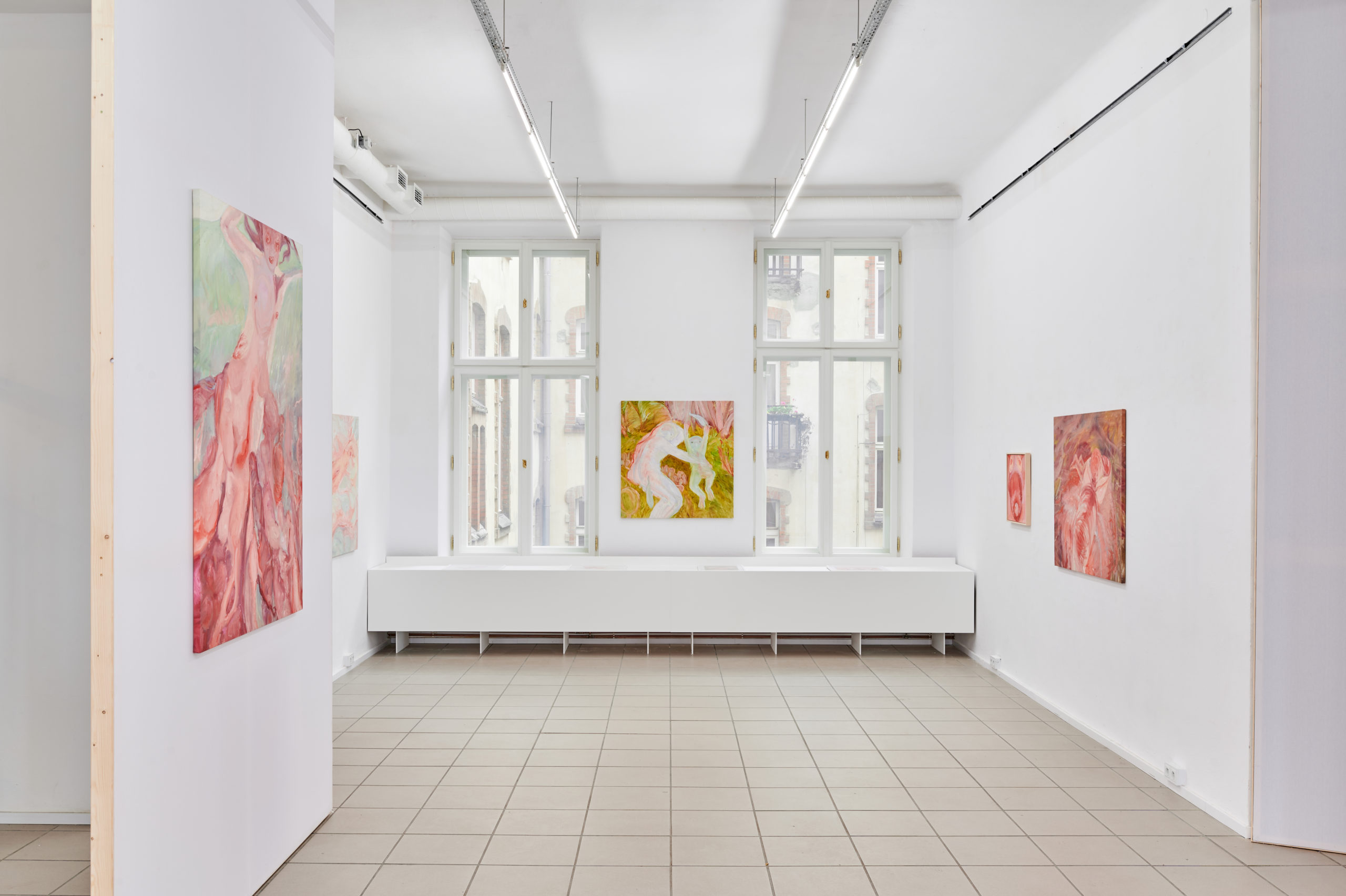
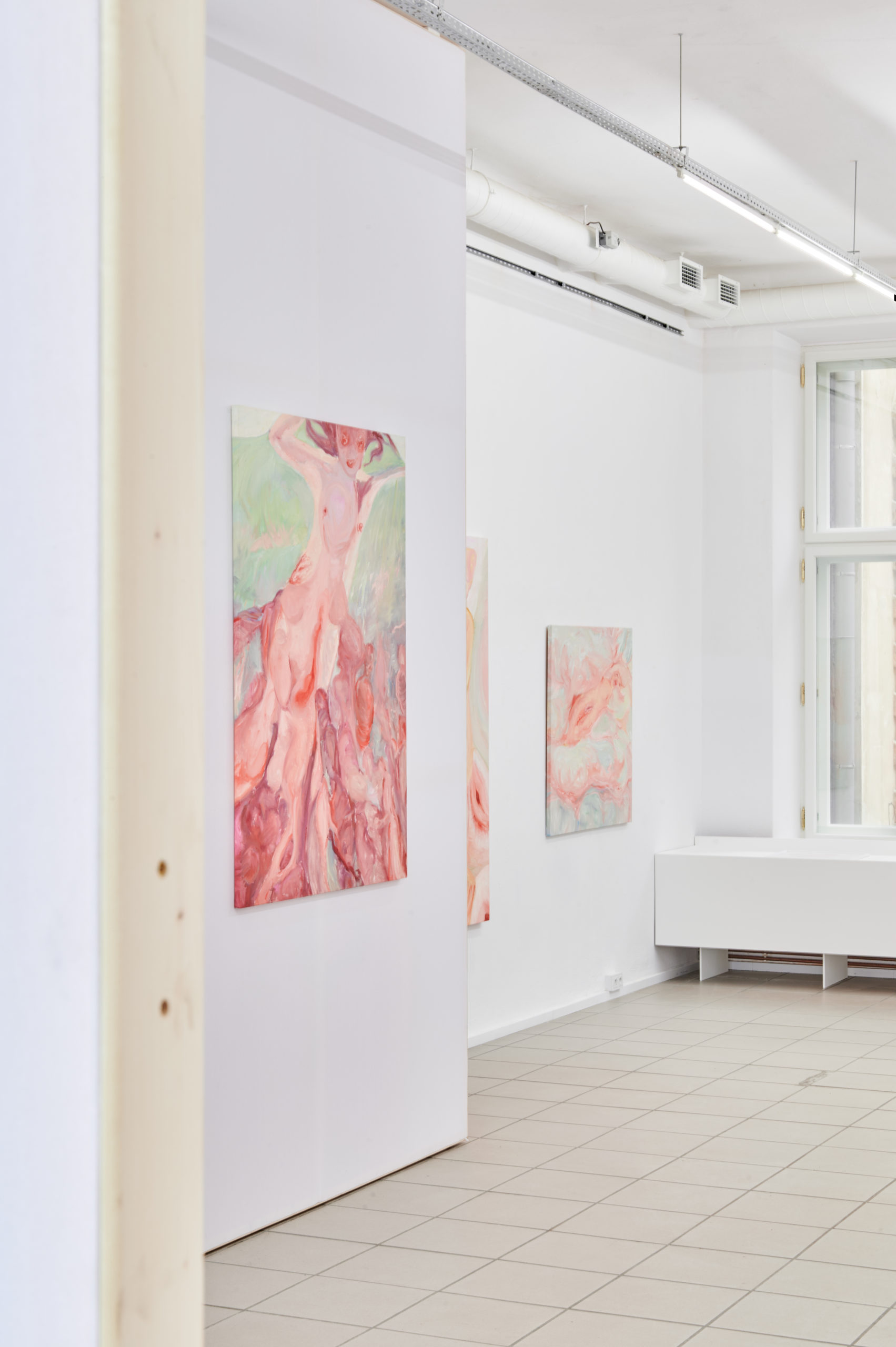
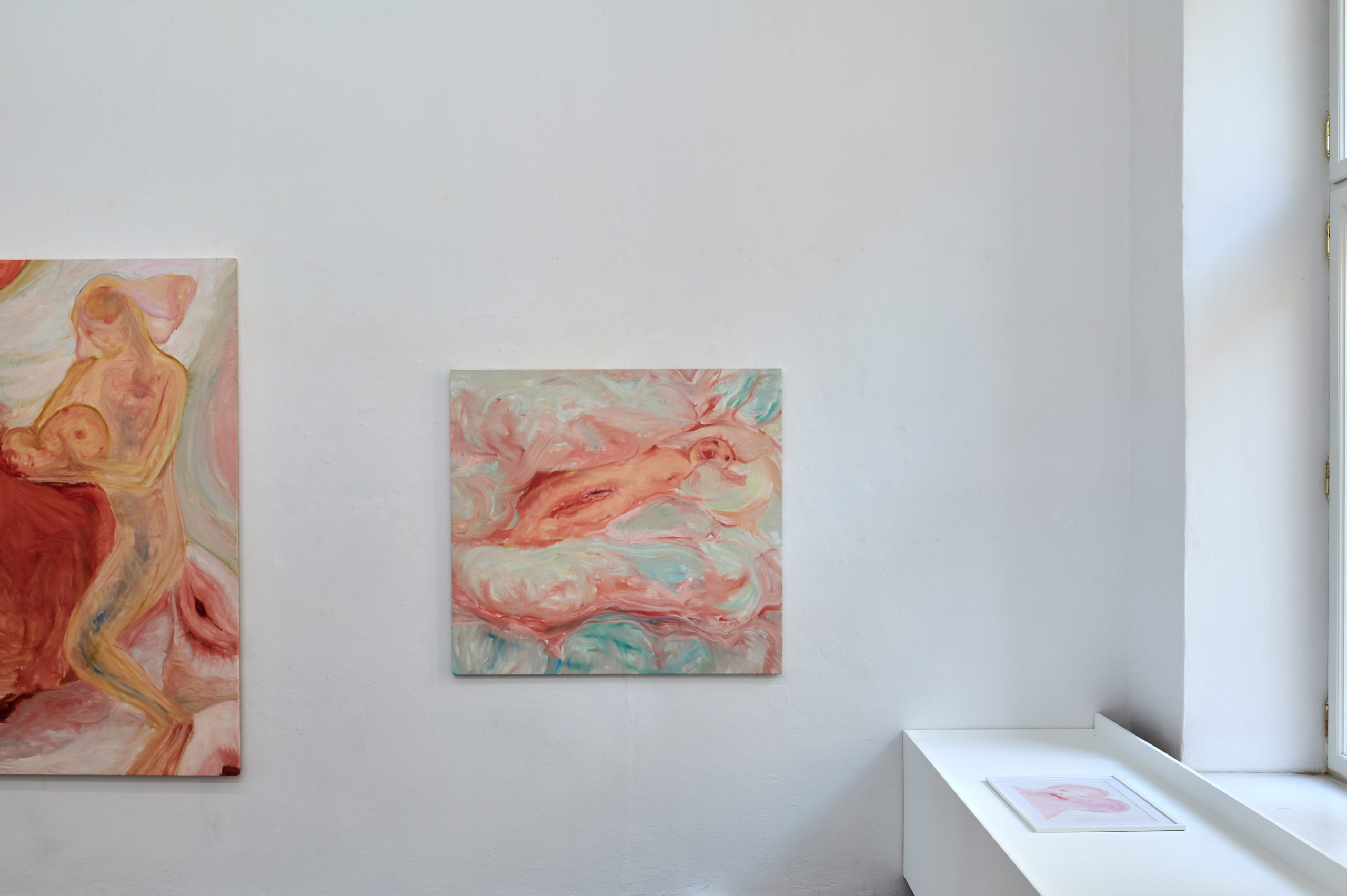
The exhibition Vulnerability as Manifesto presents the latest works by Kateryna Lysovenko, a Ukrainian artist who uses painting, drawing, and text to confront the experience of war, corporeality, and memory. The artist asks whether art created in a time marked by violence must speak only of heroism, survival, and death. To this end, she directs our attention toward fragility, birth, pleasure, and the desire to trust the world again. In her paintings, the body is not a closed form, but something open to transformation: it merges with the sea, trees, figures from folk tales, and visions of future life. Vulnerability becomes not a weakness, but a manifesto — a form of resistance against historical trauma and an attempt to reclaim language for what is still alive.
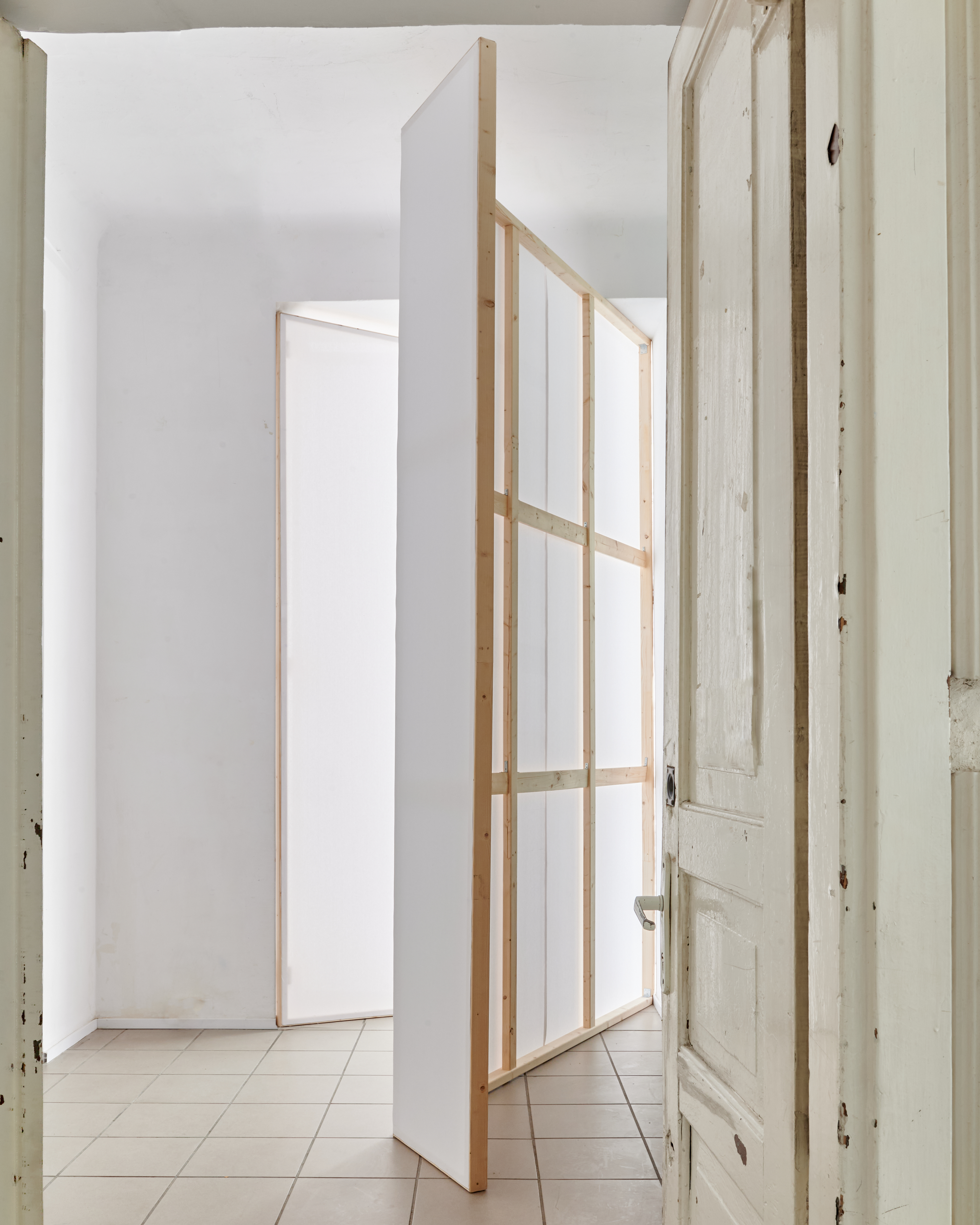
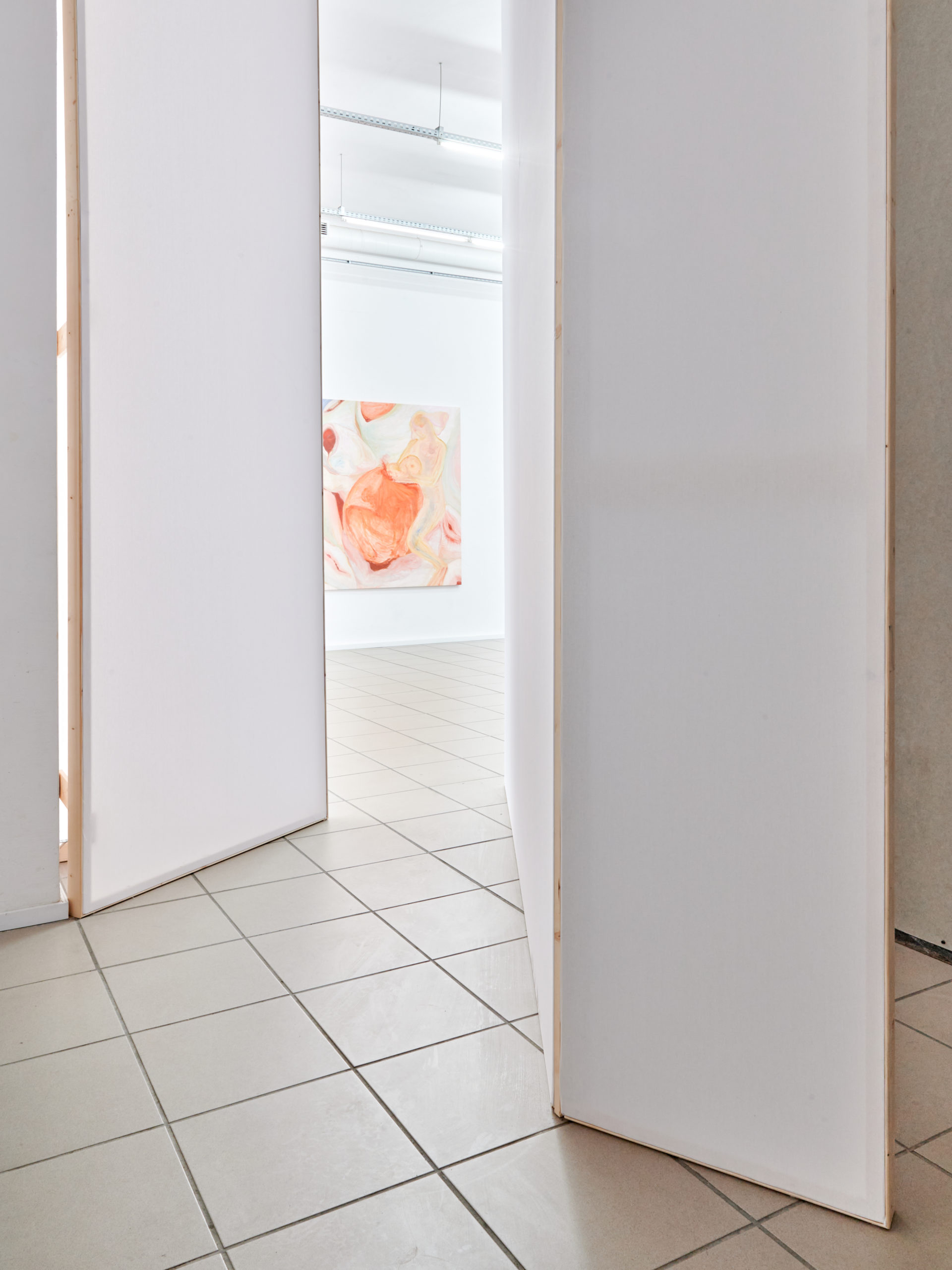
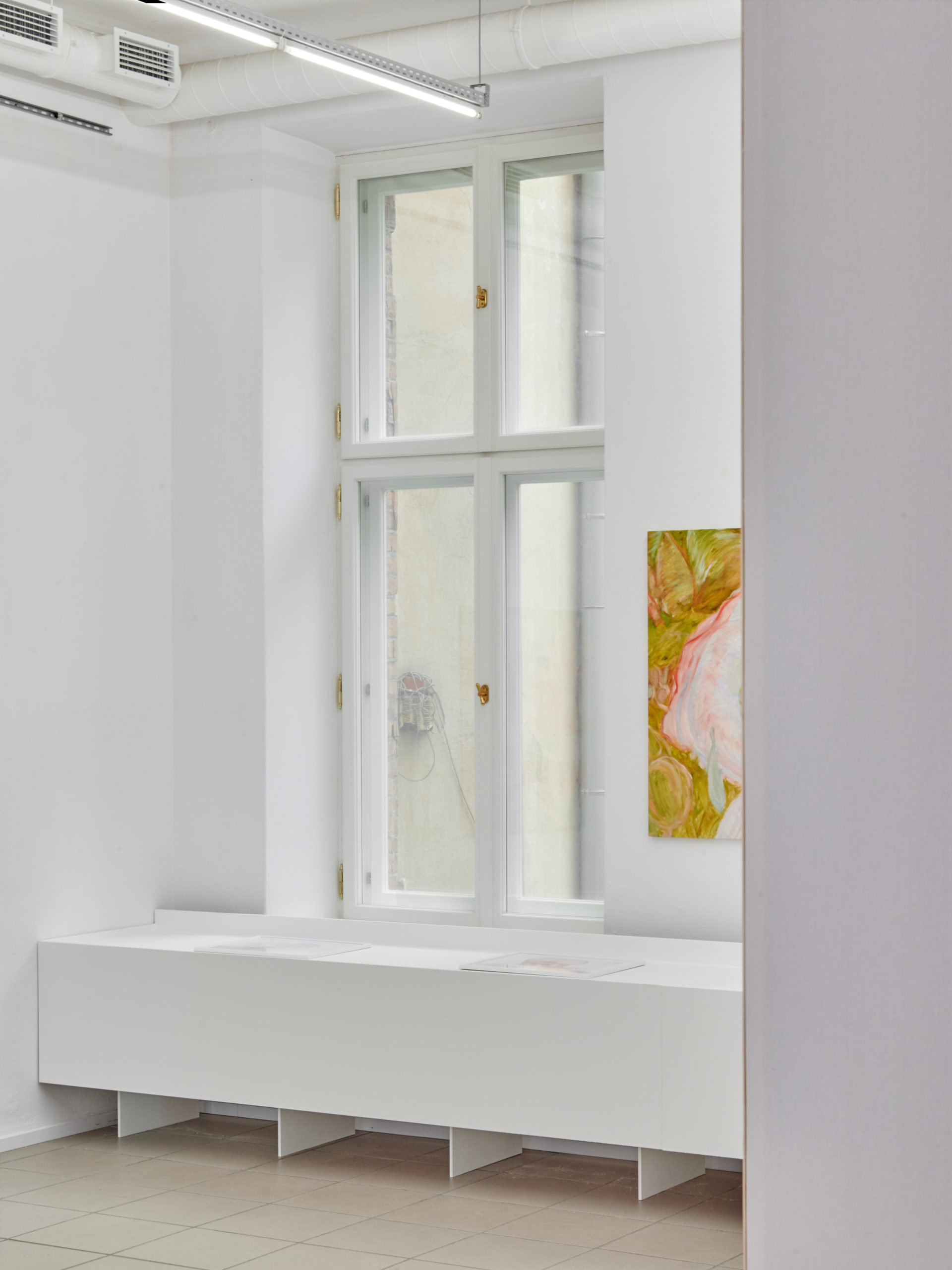
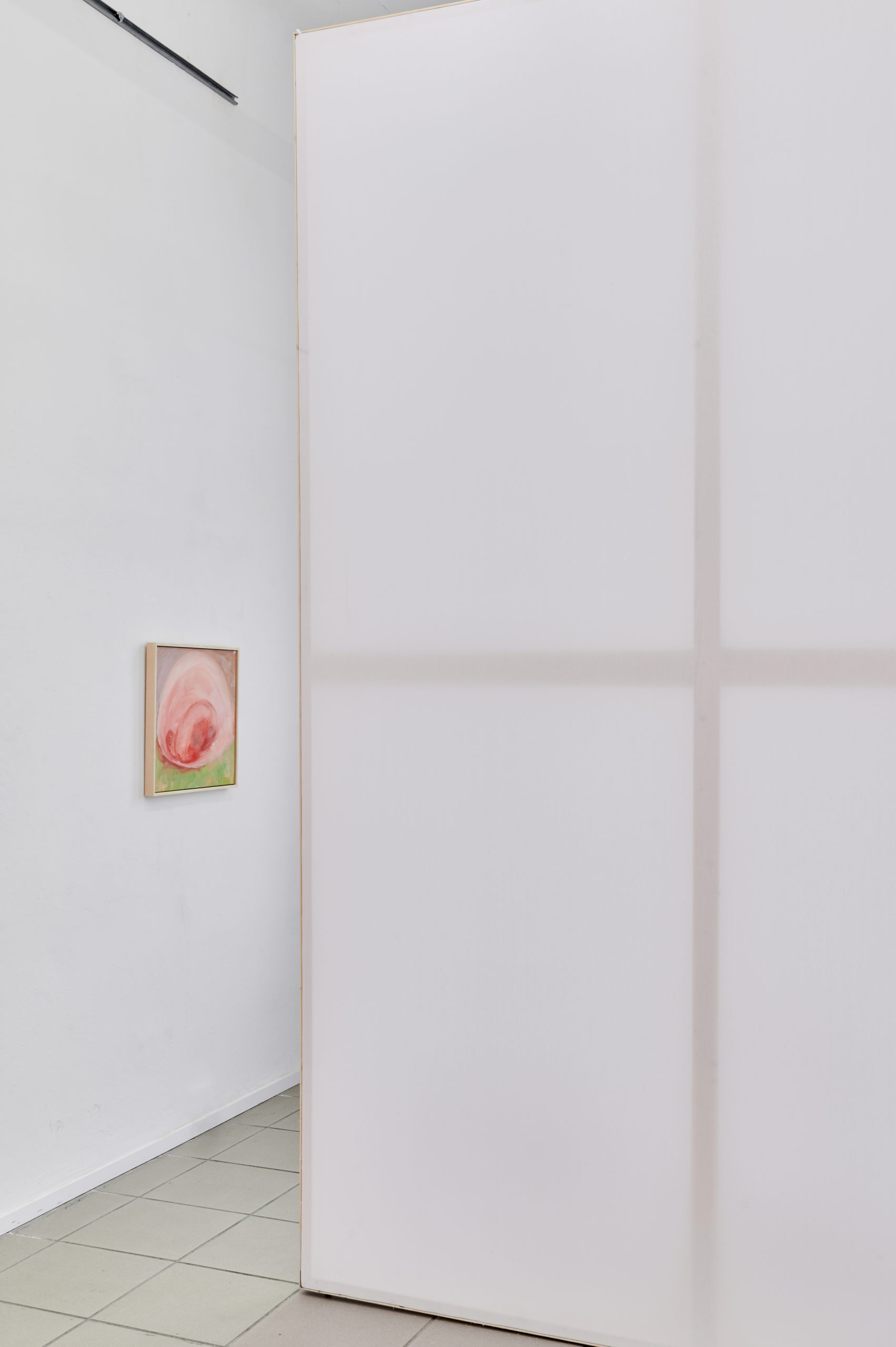
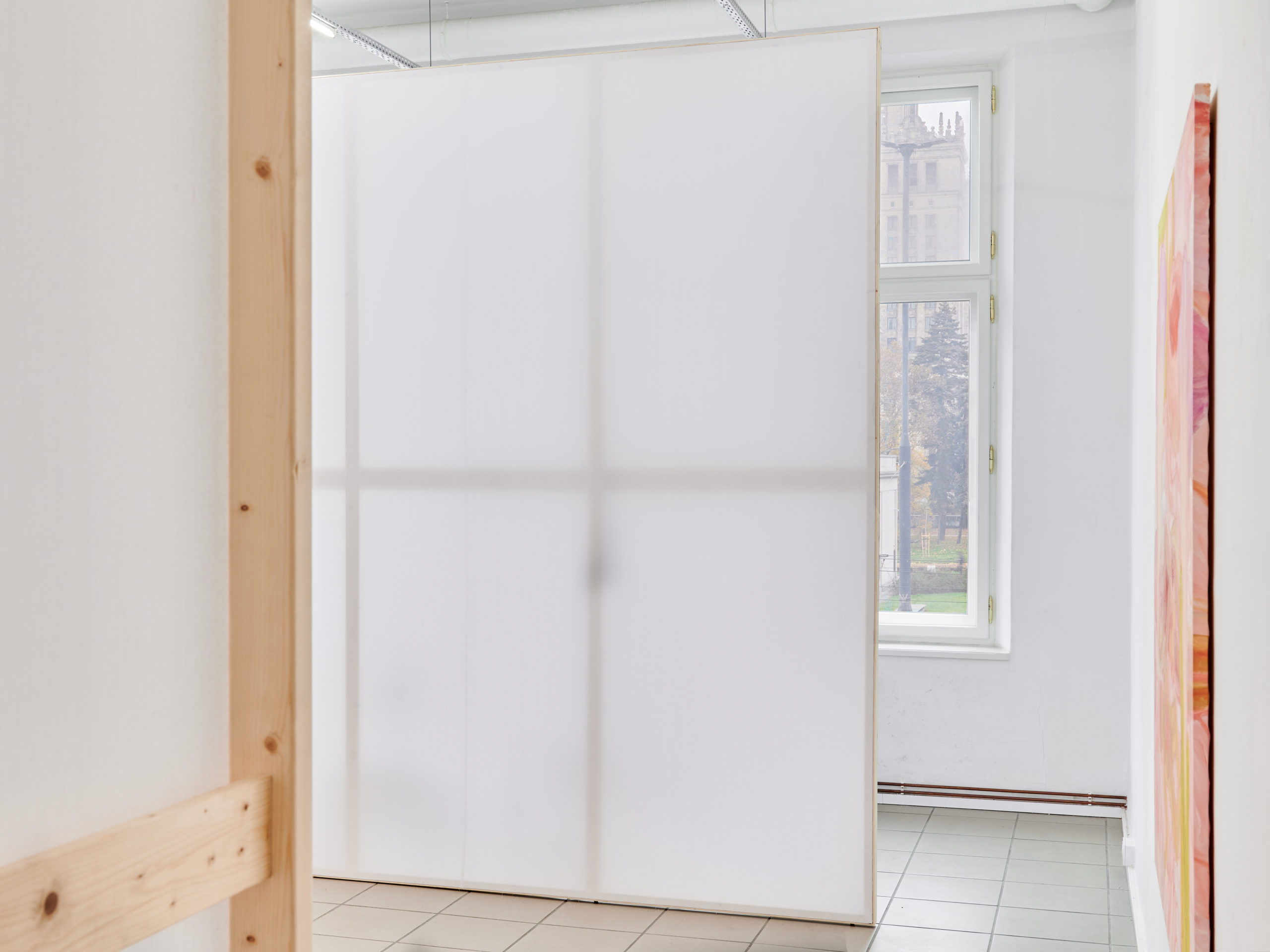
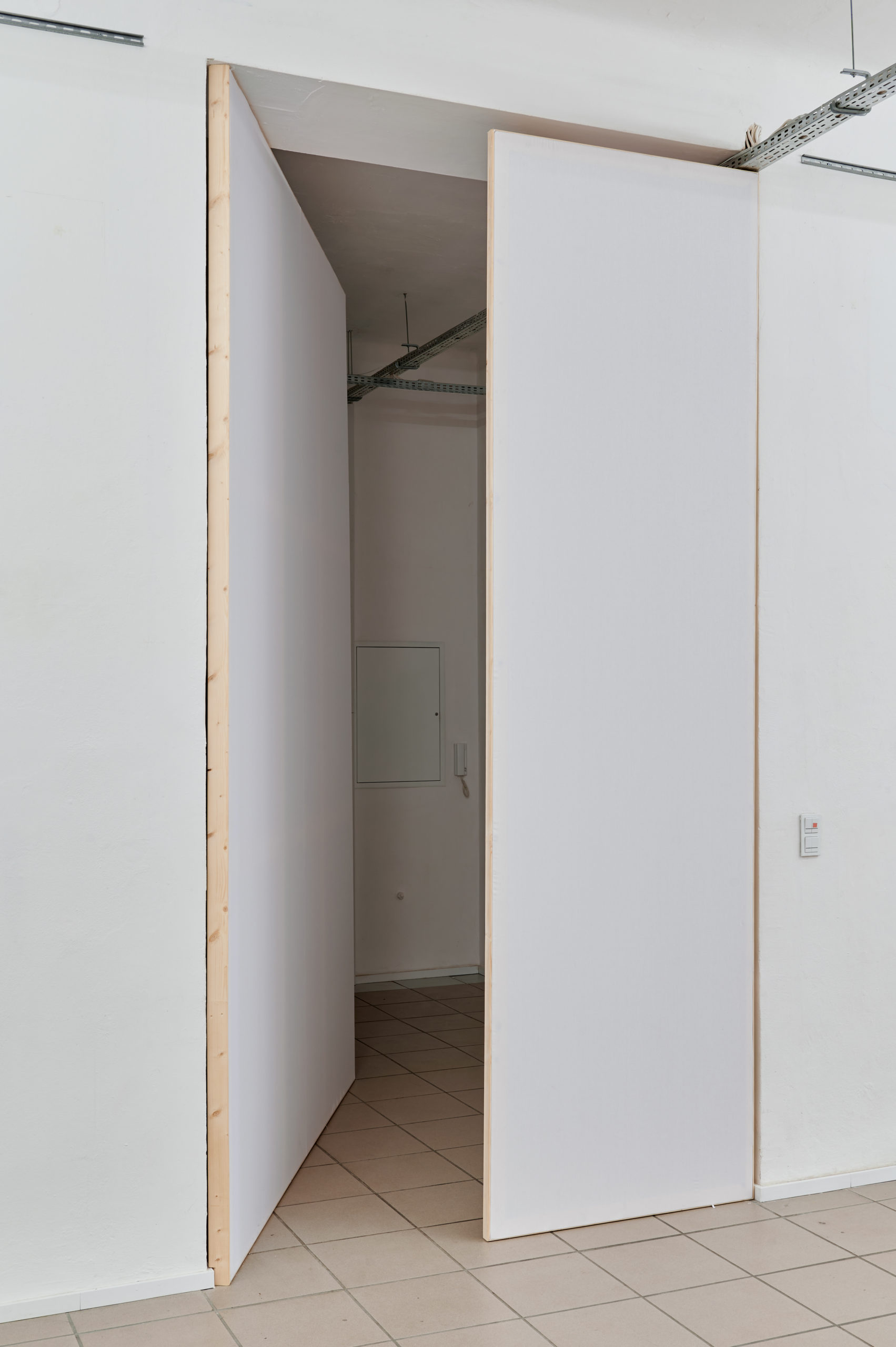
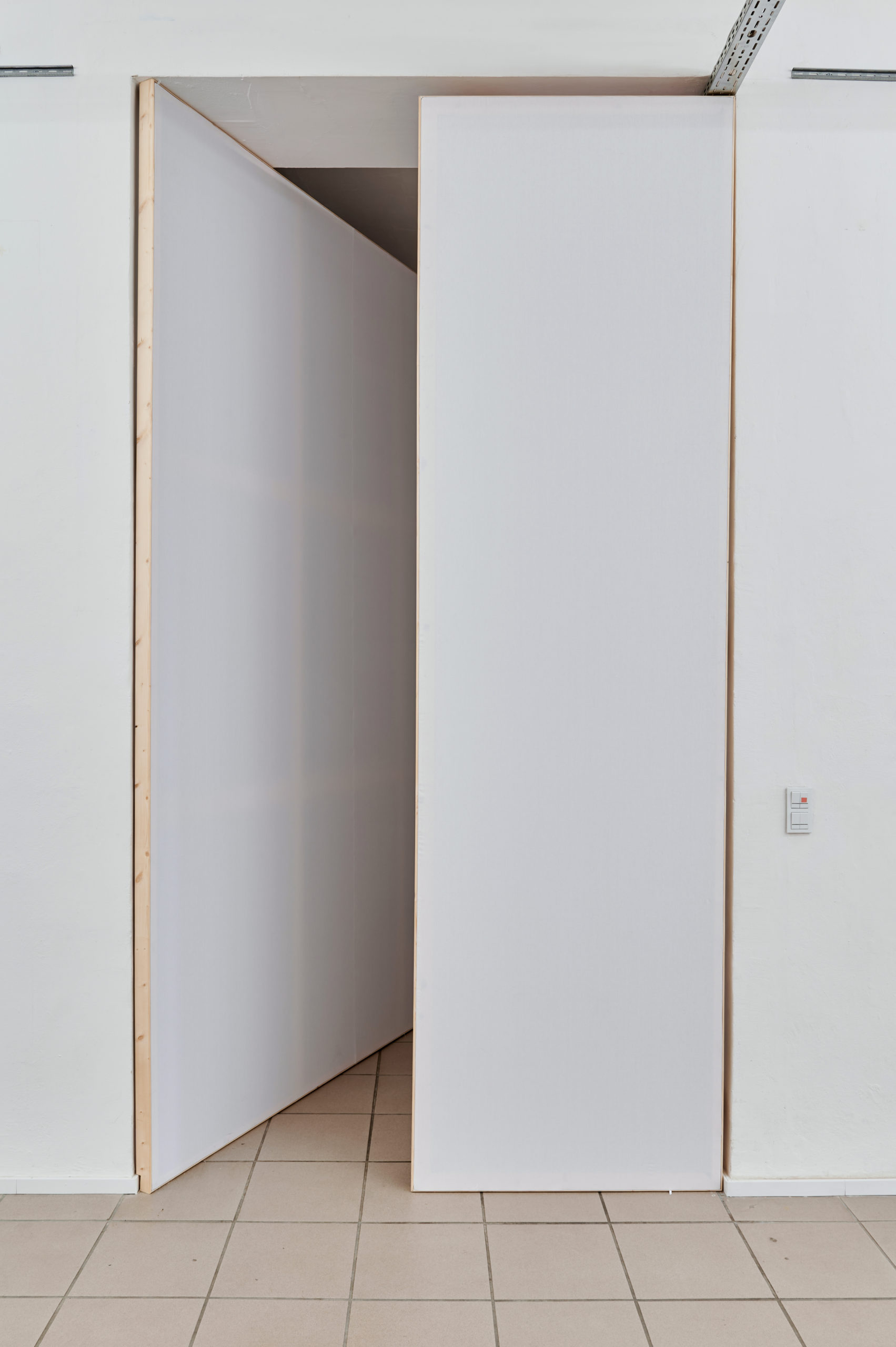
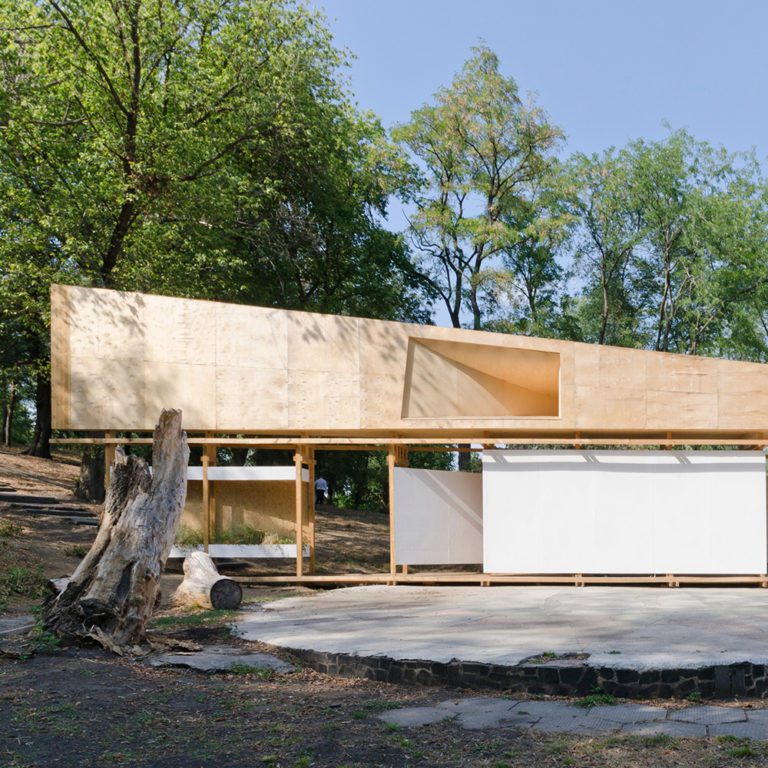
The architecture of the exhibition creates a quiet, protective space. The gallery is located in the very center of the city, with a direct view of the Palace of Culture and Science, yet the main gesture of the exhibition is the temporary concealment of this dominant image. A large, semi-transparent screen placed in front of the window separates the main room from the urban landscape and creates a soft, intimate interior for the paintings. Behind the screen, a narrow space is created to house the gallery’s temporary office — only there, outside the exhibition space, does the view of the city center open up again. The main room is entered through a narrow passage. Lightweight structures made of wood and white planes organize the exhibition space as a sequence of passages, screens, and partial views, encouraging slow circulation between the paintings.